How to Prevent Mold on Shoes and Footwear Materials
Mold growth on shoes and footwear materials is a common quality issue in manufacturing, storage, and export shipping. It can lead to visible stains, unpleasant odors, material degradation, and customer complaints. Once mold appears on finished footwear, it is often difficult to remove without affecting the appearance or performance of the product.
Preventing mold requires attention to the full lifecycle of the footwear — from raw material handling and production to packaging, warehousing, and ocean transportation. Different materials have different levels of risk, and the same anti-mold measure may not be suitable for every stage or substrate.
This guide explains why footwear materials develop mold, which materials and production stages are most vulnerable, and how manufacturers can reduce the risk through proper handling, storage, and suitable anti-mold treatments.
1. Why Do Shoes and Footwear Materials Develop Mold?
Mold growth requires moisture, suitable temperatures, nutrients, and time. In footwear production and shipping, these conditions can occur in several ways.
Moisture sources. Leather, textiles, and other shoe materials can retain moisture from processing, humid air, or hand contact during assembly. Adhesives, finishes, and surface treatments may also introduce moisture or organic residues that support microbial growth.
Material surface residues. Oils, waxes, dust, and processing aids on material surfaces can provide nutrients for mold. Incomplete drying or inadequate cleaning before packaging may leave behind conditions that favor mold growth.
Production and storage environment. Workshops and warehouses with poor ventilation, high humidity, or temperature fluctuations can create an environment where mold spores survive and grow. Shoes stored in damp conditions or in contact with moisture-prone surfaces are at higher risk.
Ocean transportation. During long-distance shipping, containers can experience significant temperature and humidity changes. Moisture may condense on container walls or cargo surfaces. Warm, humid conditions and moisture trapped inside footwear or packaging can increase the risk of mold growth, especially during prolonged storage and ocean transportation.
Understanding these factors helps manufacturers identify where to focus prevention efforts.
2. Which Footwear Materials Are Vulnerable to Mold?
Different footwear materials have different structures, moisture absorption properties, and microbial risks. A treatment suitable for one material may not be appropriate for another.
Genuine leather. Leather is susceptible to mold because it contains proteins, fats, and other organic substances that can support fungal growth. Moisture content is a critical factor. Leather that is not properly dried or that is stored in humid conditions can develop mold quickly, especially during ocean shipping.
Synthetic leather and PU. Synthetic leather and polyurethane materials can also develop mold, particularly when moisture is trapped in the material or on its surface. Surface coatings and finishes may influence how easily mold can grow and how difficult it is to remove.
Textile and mesh uppers. Textile materials, especially those made from natural fibers, can absorb and retain moisture. When stored or shipped in humid conditions, they can become a favorable environment for mold. Even synthetic textiles may support mold growth if surface contamination and moisture are present.
Insoles and linings. Insoles and shoe linings are often in direct contact with the foot and may retain moisture from perspiration or processing. They can be a high-risk area for mold, especially if they are not fully dried before assembly or packaging.
Rubber and EVA components. Rubber and EVA materials themselves are generally less susceptible to mold than leather or textiles. However, mold can grow on surface contamination or in areas where these materials contact other moisture-retaining components. The overall risk depends on the complete footwear assembly and storage conditions.
Because materials behave differently, anti-mold measures should be selected according to the specific substrate and its intended use.
3. Which Stages of Footwear Production and Shipping Carry the Highest Risk?
Mold can develop at multiple points in the footwear supply chain. Recognizing the high-risk stages helps manufacturers target prevention measures effectively.
Raw material receiving and temporary storage. Incoming materials should be inspected for moisture, contamination, and signs of microbial growth. The level of inspection should be based on material type, supplier quality control, and previous mold-related records.
Upper processing and assembly. During cutting, stitching, and assembly, materials may be exposed to moisture from adhesives, finishing agents, or the environment. Incomplete drying between steps can leave residual moisture that supports mold growth.
Adhesives and bonding. Adhesives, bonding residues, and insufficient drying may contribute to mold risk under certain conditions. The actual risk depends on adhesive formulation, residual moisture, contamination, and storage conditions.
Finished shoe storage and packaging. After assembly, shoes may be stored in warehouses before packing. If the storage environment is humid or if shoes are packed before they are completely dry, mold can develop inside boxes or packaging.
Container shipping and arrival storage. During ocean transport, containers can experience condensation and temperature changes. Mold may develop on shoes or packaging if moisture is present and conditions are favorable. This risk is higher for long shipping routes and humid climates.
4. How to Prevent Mold During Footwear Manufacturing, Storage, and Shipping
Effective mold prevention combines material control, process management, and appropriate protective measures. The following steps can help reduce risk.
Inspect incoming materials. Check the condition of leather, textiles, and other components. Avoid using materials that show signs of moisture, contamination, or mold. Work with suppliers to maintain consistent quality and drying standards.
Control drying and curing. Ensure that materials and assembled shoes are properly dried according to process requirements. Moisture trapped in seams, linings, or adhesives can create favorable conditions for mold. Adjust drying parameters based on material type and production environment.
Manage the storage environment. Keep warehouses clean, dry, and well ventilated. Avoid storing materials or finished shoes in damp areas or in direct contact with floors and walls. Monitor humidity and temperature where practical.
Apply suitable anti-mold treatments. Depending on the material and production stage, appropriate anti-mold treatments can help reduce the risk of mold growth. For leather and textile uppers, anti-mold treatments may be applied during processing or finishing. For surface protection, spray-applied treatments can be used on compatible materials. Always confirm the suitability of a product for the specific material and process before use.
Inspect before packaging. Before packing, check that shoes, insoles, and linings are dry and free from visible contamination. Packaging materials should also be clean and dry.
Use packaging protection. In packaging, moisture control and anti-mold protection can help reduce risk during storage and shipping. Moisture-control products such as desiccants can help manage humidity inside the packaging. Anti-mold products, such as anti-mold sheets, can provide additional protection when used according to their intended application. The combination and placement of these products should be based on packaging design, shipping duration, and climate conditions.
Plan for transportation conditions. For long-distance shipping, consider the expected temperature and humidity changes. Choose packaging and protection measures that are appropriate for the shipping route and duration. In some cases, container desiccants or other moisture-management measures may be useful.
No single measure eliminates all risk. A combination of material control, process management, and suitable protection provides the most reliable results.
5. How to Choose the Right Anti-Mold Solution for Footwear
With many materials and production stages involved, selecting an anti-mold solution requires a clear understanding of the specific application. The following factors can help guide the decision.
Material type. Identify whether the material is genuine leather, synthetic leather, PU, textile, or another substrate. Different materials may require different types of anti-mold treatment.
Production stage. Determine where the treatment will be applied — during leather processing, on the finished upper, on the assembled shoe, or in packaging. The stage influences the form of the product and how it should be applied.
Compatibility and performance. Evaluate whether the treatment may affect color, hand feel, adhesion, breathability, or other material properties. Small-scale testing is recommended before full production.
Antibacterial Protection for Selected Footwear Components
In addition to mold prevention, some footwear manufacturers may require antibacterial treatments for components such as insoles, linings, and textile materials that come into contact with the foot. These applications may focus on bacterial growth control and odor management, which are different from preventing mold on footwear materials during storage and shipping.
The appropriate treatment depends on the substrate, intended use, performance requirements, and applicable regulations. Antibacterial performance and material compatibility should be evaluated through suitable testing before commercial application.
Regulatory and customer requirements. Check applicable EU packaging requirements and relevant chemical restrictions for the specific product, including any customer-requested substance declarations or test reports. Requirements may vary depending on the target market and end use.
Sample testing. Before adopting any anti-mold solution, conduct a small-scale trial under conditions that represent your actual production and storage environment. This helps confirm suitability and performance.
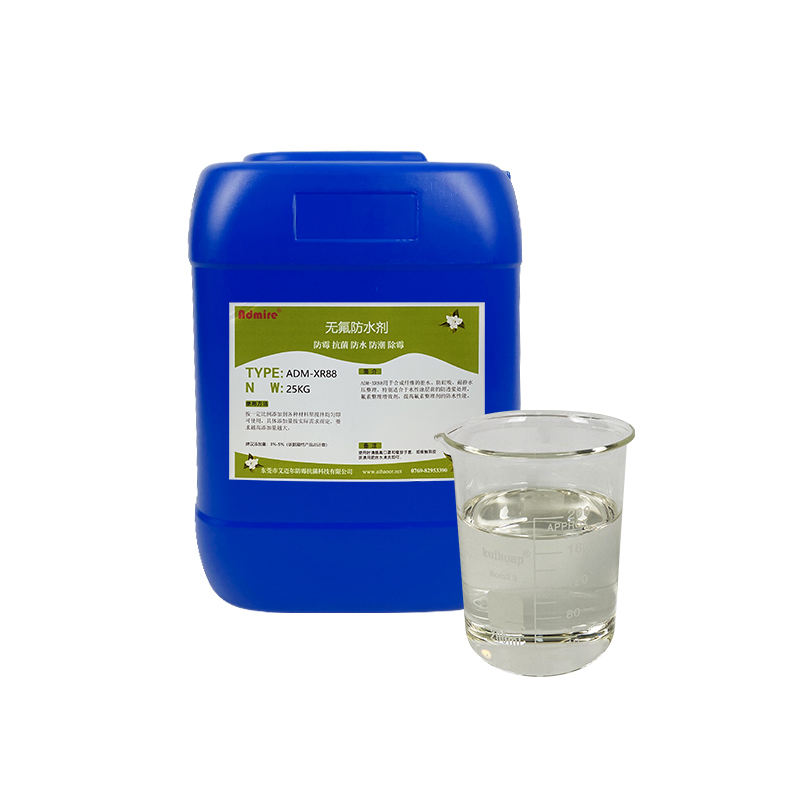
For leather footwear, products such as ADM-CF and ADM-PK may be considered depending on the specific application and material. For surface treatment of compatible materials, ADM-Spray may be suitable. For water repellent treatment, ADM-XR88 is designed for water repellency and should not be presented as an anti-mold product.
For packaging protection, F-3 anti-mold sheets may provide anti-mold protection, while ADM-H-2 desiccant is primarily intended for moisture control. Each product has a specific function, and the appropriate combination depends on the packaging design, shipping conditions, and material requirements.
For more information on leather protection, see our leather anti-mold solutions.
6. FAQ: Mold Prevention for Shoes and Footwear Materials
Why do shoes develop mold even when stored indoors?
Mold can develop indoors if moisture is present and conditions are favorable. Indoor storage areas can still have high humidity, poor ventilation, or temperature fluctuations. If shoes or packaging contain residual moisture, mold may grow even without direct exposure to rain or water.
Is desiccant alone enough to prevent mold on shoes?
Desiccants help control moisture inside packaging, but they do not address all factors that contribute to mold. The effectiveness depends on the amount of moisture present, the type of desiccant, packaging design, and storage conditions. Desiccants are one part of a broader prevention approach.
When should an anti-mold agent be applied during footwear manufacturing?
The appropriate stage depends on the material and process. For leather, anti-mold treatment may be applied during processing or finishing. For assembled shoes, surface treatment or packaging protection may be used. The best approach should be determined based on the specific material and production flow.
How do I choose an anti-mold solution for different footwear materials?
Start by identifying the material type and the stage where protection is needed. Consider compatibility, processing conditions, and regulatory requirements. Sample testing under actual production and storage conditions is recommended before making a final decision.
Conclusion
Mold prevention in footwear requires attention to materials, production processes, storage, and transportation. By understanding where the risks are and applying suitable measures, manufacturers can reduce the likelihood of mold-related quality issues and customer complaints.
If you are evaluating an anti-mold solution for your footwear products, contact our team for a footwear anti-mold solution. Share your material type, production process, mold occurrence stage, and shipping conditions so we can help identify a suitable approach for your specific application.